
The evolution of gambling tracing its historical roots and cultural impact
The Ancient Beginnings of Gambling
The roots of gambling can be traced back to ancient civilizations, where games of chance were often intertwined with religious and cultural practices. Archaeological evidence suggests that dice, made from materials such as bone and ivory, were used as far back as 3000 BC in Mesopotamia. These early forms of gambling were not merely about entertainment; they held significant social and spiritual value, often used in rituals to seek divine guidance. Over time, scholars and historians have continued to explore this fascinating topic, and for those interested, you can read more about its intricate developments.
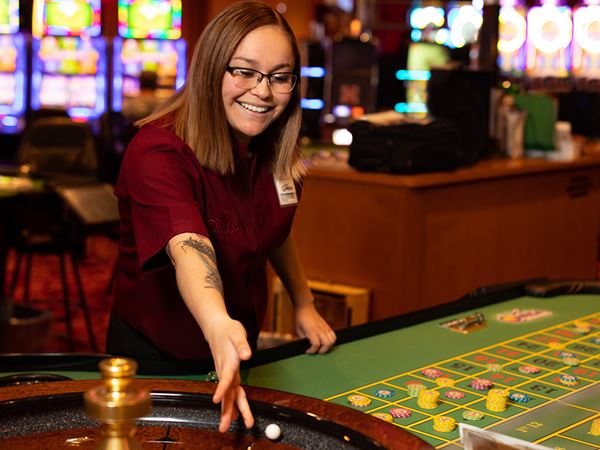
In ancient China, gambling also emerged early, with games like Keno appearing around 205 BC. These activities were both a means of entertainment and a way to fund government projects. The Chinese invented various gambling games that would influence future betting practices around the globe, highlighting the integral role of gambling in early society.
The Influence of the Roman Empire
The Roman Empire played a pivotal role in the evolution of gambling, integrating it into the fabric of daily life. Gladiatorial games and chariot races provided a platform for betting, with citizens wagering on their favorite fighters or teams. This widespread acceptance led to gambling becoming a favorite pastime among the elite and commoners alike, reflecting the social dynamics of the time.
As the empire expanded, so did the practice of gambling. Romans established rules and regulations surrounding bets, paving the way for more organized forms of gaming. This structured approach to gambling can be seen as a precursor to the modern casino, as it highlighted the necessity of regulation and oversight in betting activities.
The Birth of the Casino
The modern casino as we know it began to take shape in the 17th century in Italy. The term ‘casa’ referred to gaming houses where patrons could gather to play games of chance. These establishments provided a social atmosphere for gambling, marking a shift from informal street betting to more organized and luxurious settings. Venice’s Ridotto, established in 1638, is often cited as one of the first official casinos, embodying the combination of entertainment and gambling.
This evolution continued with the establishment of casinos across Europe, particularly in France, where games like baccarat and roulette gained popularity. These establishments not only transformed gambling into a sophisticated social activity but also spurred various cultural adaptations and innovations in gaming practices that persist today.
The Cultural Impact of Gambling
The cultural impact of gambling has been profound, influencing literature, art, and social behavior across different societies. From Shakespeare’s plays to Dostoevsky’s novels, gambling has been depicted as both a means of fortune and a source of downfall, reflecting its dual nature in human life. This portrayal has shaped societal views on gambling, highlighting both its allure and the potential consequences of excessive betting.
Moreover, gambling has fostered a sense of community in various cultures. Local games and betting events often bring people together, reinforcing social bonds. Additionally, the global spread of gambling has led to the exchange of cultural practices, enriching the gaming landscape and allowing for the development of diverse gambling traditions.

The Future of Gambling in the Digital Age
The rapid advancement of technology has ushered in a new era for gambling, transforming how people engage with games of chance. Online casinos and mobile applications have made gambling more accessible than ever, allowing individuals to play from the comfort of their homes. This shift has altered traditional perceptions of gambling, making it a mainstream entertainment option while raising concerns about responsible gaming practices.
As the industry continues to evolve, the integration of virtual reality and blockchain technology promises to reshape the gambling experience further. The combination of these innovations with the historical roots of gambling suggests a future that respects the past while embracing new opportunities and challenges.